


Why Stainless Steel Wedge Wire Screen Filters Are Winning Over Modern Industries
A filtration system that clogs too often, corrodes quickly, or struggles under pressure can slow production, increase maintenance costs, and create headaches for operators. That’s why more industries are turning to stainless steel wedge wire screen filters for demanding separation and filtration applications.
From water treatment facilities and mining operations to food processing plants and chemical manufacturers, wedge wire technology has become a go-to option for businesses looking for a filtration solution that can keep pace with modern industrial demands. So, what’s behind the popularity?
What Makes a Wedge Wire Screen Different?
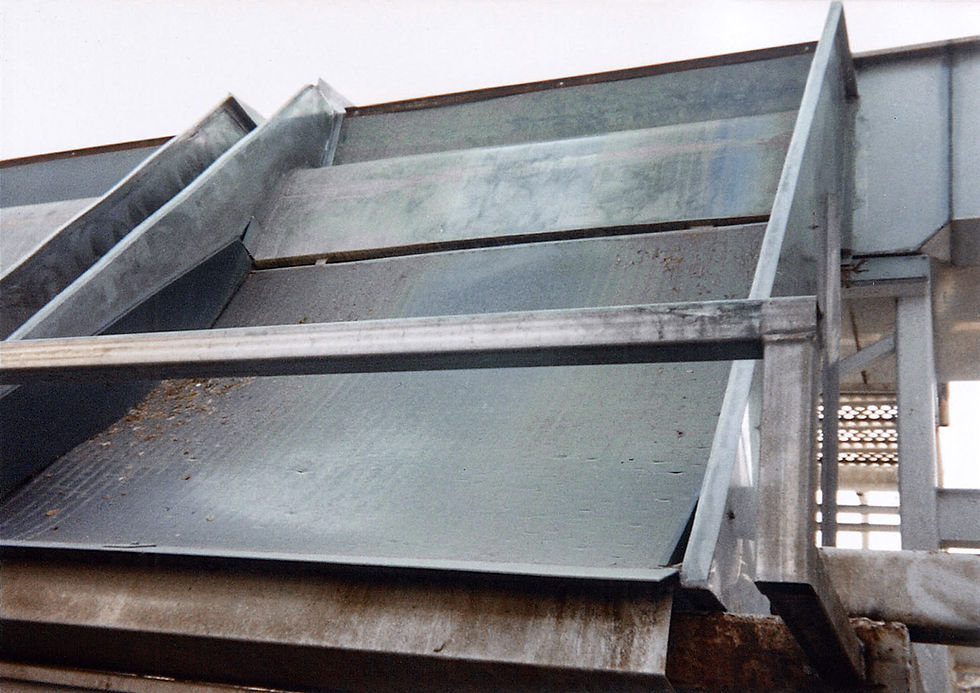
At first glance, a wedge wire screen may look fairly simple. It consists of shaped metal wires welded to support rods, creating a series of precisely sized slots. That simple design, however, is where much of its value lies. Unlike conventional woven mesh, wedge wire screens feature continuous openings and a smooth screening surface.
The slot size can be engineered to suit the specific separation requirements of an application, whether the goal is to retain solids, remove particles, or allow a particular material to pass through. When stainless steel is used as the construction material, the screen gains another layer of performance: resistance to corrosion, wear, and demanding operating conditions.
Built for Industrial Abuse
Industrial equipment rarely gets an easy life. Filters may be exposed to continuous flow, pressure, vibration, abrasive particles, chemicals, and temperature fluctuations.
That’s where the welded construction of a stainless steel wedge wire screen becomes a major advantage.
The screen is designed as a rigid structure rather than a flexible sheet of woven material. This gives it the strength needed for applications where filtration equipment has to work continuously without losing its shape or structural integrity.
For operators, that can translate into fewer unexpected maintenance issues and greater confidence in the filtration system.
Corrosion Resistance Matters
Water, chemicals, humidity, and aggressive process fluids can be tough on filtration equipment. Over time, corrosion can weaken a filter and shorten its useful life.
Stainless steel is widely valued for its resistance to corrosion, which is one reason it has become such a popular material for industrial filtration components.
The specific grade of stainless steel still matters, of course. The right material depends on factors such as the process fluid, chemical exposure, temperature, and operating environment. When properly specified, stainless steel wedge wire screens can provide dependable performance in applications where ordinary materials may not be up to the job.
Precision Is a Big Part of the Appeal
Industrial filtration is rarely about simply separating “big stuff” from “small stuff.” In many processes, the difference between an effective filter and an inefficient one comes down to precise particle separation. Wedge wire technology allows manufacturers to produce highly controlled slot openings. That means the screen can be designed around the particle size and separation requirements of a particular process.
This level of precision is useful in everything from water filtration and mineral processing to food production and chemical manufacturing. It also gives engineers more control when designing a filtration system. Instead of settling for a generic filter, they can select an opening size and screen configuration based on the actual process requirements.
Better Flow Without Sacrificing Screening
A filter has two jobs: keep unwanted material out and let the desired material through.
Sounds obvious, but balancing those two requirements isn't always easy.
The geometry of wedge wire screens can provide a substantial open area, allowing fluids to move through the screen efficiently while solids are retained.
Depending on the application and screen design, this can help support high-flow operations while limiting unnecessary resistance. For industrial facilities processing large volumes of water, liquids, or slurries, that balance can be especially valuable.
Easier Cleaning Can Mean Less Downtime
No one enjoys shutting down production to deal with a clogged filter.
Fortunately, the smooth surface and continuous slots of wedge wire screens can make cleaning and maintenance more manageable. Depending on the application, screens may be cleaned through backwashing, water jets, air, chemicals, or mechanical methods.
The exact cleaning approach will depend on what is being filtered and how the screen is being used. But the ability to clean and reuse the screen can be a significant advantage for facilities looking to control maintenance and replacement costs.
A Fit for Almost Every Industrial Sector
One of the most compelling things about wedge wire screen filters is how adaptable they are. In water and wastewater treatment, they can be used for screening and solid-liquid separation. Mining companies use wedge wire technology for applications such as dewatering, slurry processing, and mineral separation.
Food and beverage manufacturers value stainless steel for applications where cleanliness and corrosion resistance are important. Chemical and petrochemical operations can use wedge wire screens for process filtration, catalyst recovery, and other separation tasks.
The technology also has applications in agriculture, pulp and paper, power generation, and general industrial processing. In other words, wedge wire isn't tied to one specific industry. Its value comes from how easily the design can be adapted to different processes.
Customization Makes a Difference
Another reason industrial buyers favor wedge wire technology is that screens don't have to come in a one-size-fits-all package.
Manufacturers can customize screens based on factors such as:
Slot opening
Wire profile
Screen diameter & length
Support rod design
Stainless steel grade
Flow direction
Pressure and temperature requirements
Installation configuration
That flexibility is particularly useful when an existing filtration system has specific dimensional or performance requirements. A well-designed screen can be engineered around the process instead of forcing the process to work around a standard filter.
The Real Value Is Long-Term Performance
Price will always matter when companies purchase industrial equipment. But experienced buyers know that the cheapest component isn't necessarily the most economical one. A filter that needs frequent replacement or causes repeated production interruptions can become expensive very quickly.
That's why total cost of ownership matters.
A properly engineered stainless steel wedge wire screen can potentially deliver a combination of durability, cleanability, consistent separation, and long service life. For facilities running filtration systems around the clock, those characteristics can make a meaningful difference to operating costs and productivity.
Why Industries Keep Coming Back to Wedge Wire
The appeal of stainless steel wedge wire screen filters isn't based on one standout feature. It's the combination. They offer precise openings, strong construction, corrosion resistance, efficient flow, straightforward cleaning, and extensive customization options. More importantly, these advantages can be applied across a surprisingly broad range of industrial processes.
As manufacturers continue looking for equipment that improves efficiency without creating additional maintenance demands, wedge wire screens remain a practical and proven option. Modern industries need filtration equipment that can do more than simply separate solids from liquids. It needs to perform consistently, withstand challenging environments, and fit the realities of an industrial operation.
That’s where stainless steel wedge wire screens stand out.
Whether they're being used in a wastewater treatment plant, a mining operation, a food-processing facility, or a chemical plant, these filters offer a combination of precision and durability that explains their continued popularity. For companies evaluating their next filtration system, the question may not be whether wedge wire technology works. It may be whether their current filtration solution is working hard enough.


