The Ultimate Guide to Agriculture Water Filtration for Irrigation in California

California might be famous for beaches and tech bros, but it’s agriculture that quietly dominates the scene. Nearly one-third of America’s vegetables and two-thirds of its fruits and nuts come from California soil. That’s a lot of almonds, avocados, and wine grapes, all relying on irrigation.
And here’s the kicker: the water isn’t always clean. From river sources to well water, irrigation water in California often shows up with sand, silt, algae, organic debris, and mysterious floaters you don’t want to think too hard about. This is where water filtration systems step in. Without them, clogged emitters, uneven watering, and failed crops become real issues fast.
Today, we’re leveling up your filtration knowledge with the big three:
Sand media filters
Screen filters
Centrifugal sand separators
Let’s dig in.
Why Filtration is a Must for California Growers
California’s irrigation network is incredibly diverse: canals, reservoirs, recycled water, pumped groundwater, you name it. Different sources = different types of contaminants.
Here’s why filtration is vital:
1. Micro-Irrigation Demands Clean Water
Drip emitters and micro-sprinklers are tiny. Even a little grit can clog them.
2. Better Water Equals Better Crops
Consistent water flow = consistent hydration = healthier plants.
3. Prevention is Cheaper than Repairs
Unfiltered water leads to:
Broken pipes
Blocked lines
Uneven crop growth
Labor & repair costs
Filtration pays for itself.
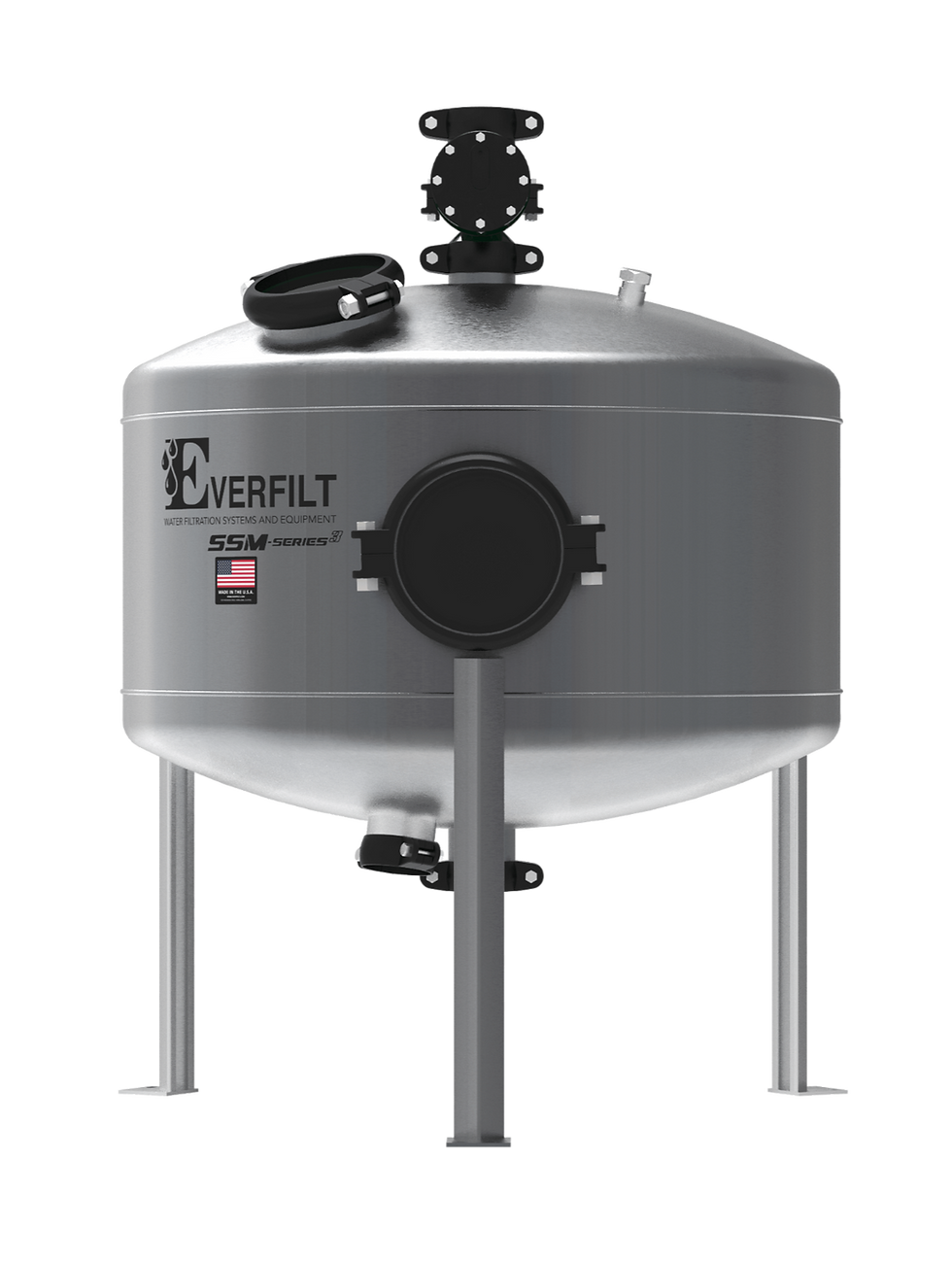
Sand Media Filters: The Workhorses of the Field
If irrigation systems had a favorite filter, it would be sand media filters.
How they work
Water flows through a tank filled with sand or crushed media. Particles get trapped in the media layer while clean water leaves through the bottom.
Why they’re popular in agriculture
Handle large loads of debris
Perfect for surface water with algae or organic matter
Works great for high flow rates
Low maintenance when paired with automatic backwash systems
When to use them
Reservoirs, canals, river water
Recycled or reclaimed water
Situations with algae, silt, or fine particles
These are the backbone filters for farms that deal with unpredictable water quality. Many growers run multiple tanks in parallel: one filters while another backwashes. No downtime. No drama.

Screen Filters: Simple, Efficient, & Budget-Friendly
Screen filters are the minimalists of the filtration world. They use a mesh screen to trap debris larger than the mesh opening.
Why they’re great
Easy to install
Straightforward maintenance
Affordable
Ideal for cleaner water sources
If your water is coming from a relatively clean well or treated supply, screen filters shine. Some units even offer automatic cleaning, so you don’t have to stop the pump and scrub out the screen manually.
When screen filters aren’t enough
Screen filters struggle with:
Fine silt
Algae
Organic goo
Use them for light duty or as a final polishing filter after heavier filtration.

Centrifugal Sand Separators: The First Line of Defense
Centrifugal sand separators (also called hydrocyclones) are like bouncers at the club door. They remove heavy, abrasive particles before they can do damage.
How they work
Water spins inside a cone-shaped chamber. Centrifugal force pushes heavier particles outward and down into a collection chamber. Clean water exits through the top.
What they’re amazing at
Removing sand and grit
Protecting downstream filters
Handling high-volume sediment loads
Requiring minimal maintenance
These don’t remove organic material. They’re strictly for the heavy stuff. But in sandy groundwater situations, they’re absolute lifesavers.
The Best Setup: Layered Filtration
Most California farms rely on a multi-stage system.
Example setup:
Centrifugal sand separator
Removes sand & grit before anything else
Sand media filter
Handles silt, organics, algae, & fine particles
Screen or disc filter
Final safeguard to protect emitters
This combo means you’re covered from heavy debris down to the tiny stuff.
Real-World Benefits for Growers
Dialing in a filtration system leads to:
✔️ Longer life for drip & micro-sprinkler equipment
✔️ Reduced labor from fewer clogs & clean-outs
✔️ Uniform water distribution
✔️ Improved yield & crop consistency
✔️ Cost savings over time
And because water is precious, especially in a drought-prone state, filtration also supports sustainable water management. Cleaner irrigation water = less waste.
Clean Water, Healthy Crops
Agriculture in California has enough challenges, weather, market prices, and labor; water quality shouldn’t be another stressor. A solid filtration system gives growers peace of mind and protects the most valuable asset: the crop.
Whether you’re feeding produce to farmers' markets or fueling massive orchards, the right combination of sand media filters, screen filters, and centrifugal sand separators keeps irrigation systems flowing smoothly.