


Top 10 Clean Water Habits for Children & Adults
- May 13
- 3 min read
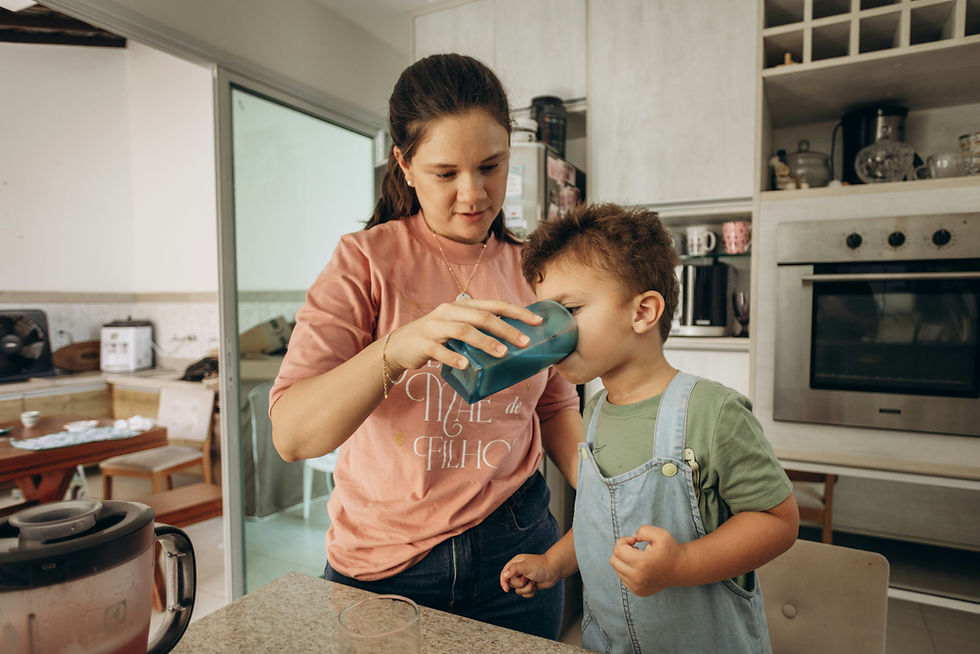
Water shapes nearly every part of daily life, yet most people only think about it when they feel thirsty or hear about contamination problems in the news. The way families use, store, and consume water affects health, hygiene, and even household routines more than many realize.
Children learn these behaviors early by watching the adults around them. Small actions repeated consistently often become lifelong habits. Below are ten practical clean water habits that support healthier living for both children and adults.
1. Build a Routine Around Drinking Water
Many adults and children go through the day without drinking enough fluids. Mild dehydration can contribute to fatigue, headaches, dry skin, and poor concentration.
Rather than waiting until thirst becomes noticeable, keeping water accessible throughout the day encourages more consistent hydration. Refillable bottles at desks, in school bags, or in the car can help make water intake part of a regular routine.
2. Wash Hands Thoroughly Using Running Water
Handwashing remains one of the most effective ways to reduce the spread of bacteria and viruses. Soap and running water should be used before meals, after using the restroom, after outdoor activities, and after coughing or sneezing. Children often rush through the process, but adults do as well. A proper handwashing routine should include scrubbing for roughly 20 seconds before rinsing.
3. Be Mindful of Drinking Water Quality
Water that appears clean is not always free from contaminants. Households should pay attention to unusual odors, discoloration, or changes in taste. In some areas, water filters may help reduce impurities depending on local water conditions. Staying informed about municipal water notices and maintenance updates can also help families respond quickly if problems arise.
4. Reduce Unnecessary Water Waste
Everyday habits influence how much water a household consumes. Turning off the faucet while brushing teeth, repairing leaks promptly, and limiting excessive water use during chores are practical ways to conserve water without drastically changing daily life. Teaching children these habits early encourages greater awareness of natural resources over time.
5. Clean Reusable Water Containers Frequently
Reusable bottles and cups are convenient, but they require regular cleaning.
Moisture inside closed containers can encourage bacterial growth, especially when bottles are left in warm environments or carried throughout the day. Washing containers thoroughly with soap and warm water each day helps keep them sanitary.
6. Teach Children Basic Water Safety Rules
Water safety education should begin early. Children should understand that pools, lakes, rivers, and beaches require supervision and caution. Important rules include avoiding swimming alone, listening to adults near water, and using flotation devices when appropriate. Consistent supervision remains essential, particularly for younger children.
7. Use Safe Water During Food Preparation
Clean water is important not only for drinking but also for preparing meals safely.
Fruits and vegetables should be rinsed properly, cooking surfaces should remain clean, and water used in food preparation should come from a reliable source. Maintaining kitchen hygiene helps reduce the risk of foodborne illness.
8. Limit Reliance on Single-Use Plastic Bottles
Disposable water bottles contribute significantly to plastic waste. Using refillable containers can reduce environmental impact while encouraging people to drink water more regularly throughout the day. For families, reusable bottles can also lower long-term costs associated with packaged drinks.
9. Stay Updated on Local Water Advisories
Weather events, infrastructure repairs, and contamination concerns can temporarily affect water safety. Checking local advisories allows households to respond appropriately if boiling water or additional filtration becomes necessary. Awareness is especially important in communities with aging pipes or changing water conditions.
10. Make Healthy Water Habits Visible at Home
Children often imitate the routines they observe. When adults drink water regularly, avoid wasting water, wash hands consistently, and care for reusable containers properly, children are more likely to adopt those same behaviors naturally.
Healthy routines are usually built through repetition rather than instruction alone.
Clean water habits do not require dramatic lifestyle changes. Most are simple decisions practiced consistently over time. Together, these routines can support better health, improved hygiene, and more responsible water use for both children and adults.


