


Water Filtration Systems 101: Why Knowing How Your System Works Matters & How to Avoid Costly Mistakes
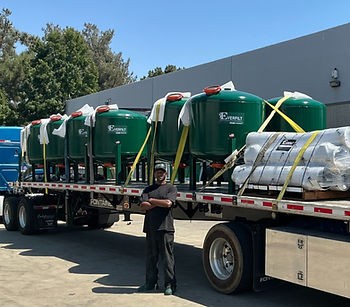
Water filtration systems are powerful assets for industrial, commercial, agricultural, and municipal operations. A well-designed system keeps water clean, protects equipment downstream, and ensures regulatory compliance.
But for many operators, understanding how these systems function and how to maintain them is just as important as installing the right hardware. That’s where common questions from the Everfilt® FAQ section come into play.
Common Problems Begin with a Lack of Understanding
Whether you’re a plant operator, a field technician, or a facility manager, knowing why your system behaves the way it does can be the difference between smooth operation and unplanned downtime.
Here are some frequent user scenarios and tips from real Everfilt® FAQs:
1. Confusing Filtration Media Options
You might be tempted to use whatever sand or gravel you have on hand, after all, it all looks like “sand,” right? Not quite.
Everfilt® systems are engineered with precise media types and quantities to achieve specific filtration results. Using the wrong media, even something as simple as a different sand size, can lead to pressure spikes, frequent backwashing, or even system damage. That’s because filtration performance depends on contact time, media characteristics, and correct layering.
💡 Pro Tip: Always follow manufacturer recommendations for media type and quantity. Incorrect media can raise operating costs and reduce filter lifespan.
2. Backwash Problems? It Might Be a Small Component
If your backwash valves are slow to move or don’t fully shift between modes, you might blame the system, but the actual culprit could be a clogged Y-strainer screen. This tiny component feeds clean water to hydraulic systems that actuate valves, and if it’s dirty, the whole sequence struggles.
💡 Maintenance Tip: Make cleaning the Y-strainer a regular task; it’s small, but essential for smooth operation. According to Everfilt® support insights, this is one of the most overlooked maintenance areas that causes costly performance issues when neglected.
Why System Knowledge Prevents Costly Mistakes
Understanding your filtration system doesn’t just help fix problems; it prevents them.
Here’s why taking time to learn and maintain your system is crucial:
✔ Avoiding Premature Wear & Tear
Components like pressure differential (PD) switches are designed to protect your system. When they’re properly set up and monitored, they trigger automatic backwash cycles before dangerously high pressure builds up. Without this, media beds clog faster, and system efficiency drops.
Imagine a system that backwashes only when it should; that’s efficiency in action.
✔ Managing Flow, Pressure & Efficiency
Having the correct flow and pressure is critical during a backwash cycle. Insufficient flow means the media bed won’t fully lift and clean, leading to shorter filtration cycles and wasted water.
💡 Real-World Impact: Poor backwash can lead to:
Increased utility costs
Shorter media lifespan
More frequent cleaning or repairs
✔ Simple Repairs Save Big Money
Sometimes, the most frustrating issues, like a valve that won’t actuate, come down to one small part. A worn diaphragm inside a valve, for instance, can be replaced easily and quickly if the operator understands what’s happening.
👉 Ignoring small failures can lead to bigger parts needing replacement down the road, increasing repair costs and downtime.
Maintenance: Essential for Water Filtration Systems
Regular maintenance isn’t simply “recommended”, it’s essential. Manufacturers like Everfilt® stress that routine checks, cleaning, and adjustments not only extend equipment life but also prevent performance issues before they start.
Here’s what maintenance helps with:
📌 Keeping Components Functional
Cleaning strainers and screens
Testing PD switches
Checking valves & actuators
Maintenance keeps you running and in good condition, reducing unexpected failures.
📌 Improving Water Quality
An unmaintained system may still run, but it won’t filter as effectively. Contaminants can pass through, leading to downstream problems that could have regulatory or operational impacts.
Smart Operators Invest in Knowledge & Maintenance
Water filtration systems are sophisticated, with engineered media, hydraulic controls, and electrical components. Just like any critical infrastructure, understanding how they work and maintaining them routinely means:
Fewer breakdowns
Lower operational costs
Less wasted water
Longer equipment lifespan
So before you blame the system for every hiccup, take a moment to understand the why behind the issue. With the right approach and the right maintenance, many common problems are easy to prevent and even easier to fix.


