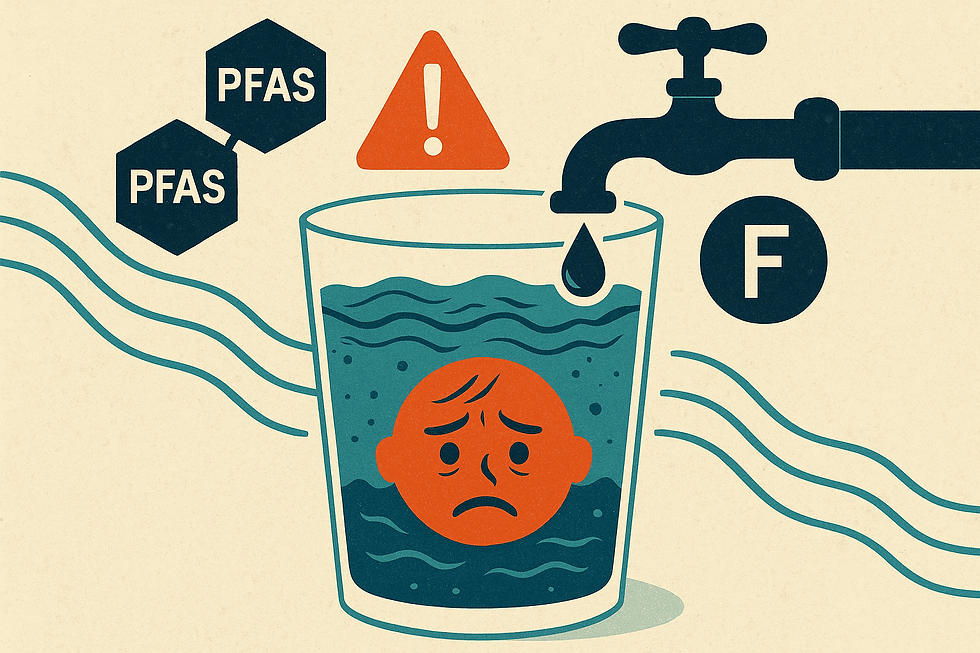
Is Natural Spring Water Safe to Drink? Let’s Break It Down

Natural spring water has serious main character energy. It sounds pure, earthy, and way healthier than whatever’s coming out of the tap… but is natural spring water actually safe to drink?
Short answer: sometimes yes, sometimes absolutely not. Let’s talk about why.
What Even Is Natural Spring Water?
Natural spring water comes from underground sources where water flows naturally to the surface. As it moves through rocks and soil, it picks up minerals like calcium and magnesium, aka the stuff that gives it that “fresh” taste people love.
To be labeled spring water, it has to:
Come from an underground aquifer
Flow naturally or be collected at the source
Stay true to its original mineral makeup
Sounds clean, right? Well… not always.
So, Is Natural Spring Water Safe to Drink?
The Real Answer: It Depends
Spring water can be safe, but it’s not automatically safe just because it looks clear or tastes good.
Safety depends on:
Whether it’s been tested
If it’s treated or filtered
What’s happening around the spring environmentally
Untested spring water can carry some nasty surprises, and no, you can’t see them.
Why People Love Spring Water
1. Natural Minerals
Spring water often contains minerals that help with hydration, bone health, and muscle function. It’s not a miracle drink, but minerals are a nice bonus.
2. Better Taste
Let’s be honest, spring water usually tastes better than flat, over-treated water. Minerals = flavor.
3. Minimal Processing
If you’re into natural, low-processing lifestyles, spring water checks that box more than distilled or purified water.
The Not-So-Fun Risks
1. Bacteria & Parasites
Untreated spring water can contain things like:
E. coli
Giardia
Cryptosporidium
These can lead to stomach issues that no one wants to deal with.
2. Heavy Metals & Chemicals
Depending on the area, spring water may also contain:
Lead
Arsenic
Nitrates
Agricultural runoff
These don’t change the taste or look of water, but they can still be harmful.
3. Environmental Contamination
Nearby farms, wildlife, roads, or flooding can contaminate springs. Even the most Instagram-worthy spring isn’t immune.
Is Bottled Spring Water Safe?
Most of the time, yes.
Bottled spring water sold commercially is:
Regulated
Regularly tested
Required to meet safety standards
That said, not all brands are equal. If you’re curious, check the brand’s water quality report (they usually post them online).
Spring Water vs. Tap Water: The Vibe Check
Category | Spring Water | Tap Water |
Regulation | Depends on the source | Strict |
Treatment | Optional | Mandatory |
Testing | Varies | Required |
Minerals | Natural | Adjusted |
Tap water usually wins on safety because it’s constantly monitored. Spring water can be just as safe, but only if it’s managed properly.
How to Tell If Spring Water Is Actually Safe
1. Test It
If you’re collecting spring water yourself, testing isn’t optional; it’s essential. Get it checked for bacteria, metals, and chemicals.
2. Treat It
Common treatment methods include:
UV purification
Reverse osmosis
Boiling (good for bacteria, not chemicals)
3. Scope the Location
Avoid springs near:
Farms or livestock
Roads or industrial sites
Areas prone to runoff
Nature is beautiful, but it’s also messy.
Should You Drink Untreated Spring Water?
Honestly? No.
Especially if you’re:
Pregnant
Giving it to kids
Older
Immunocompromised
Clear water ≠ clean water.
Quick FAQs
Is spring water healthier than purified water? It can have minerals, but purified water is usually more predictable in terms of safety.
Can I drink spring water straight from the source? Only if it’s been tested and confirmed safe.
Does boiling spring water make it safe? It kills bacteria, but heavy metals and chemicals stick around.
Natural spring water isn’t bad, but it’s not automatically good either.
Bottom line:
Safe when tested & treated
Risky when untreated
Always verify the source
When it comes to hydration, vibes are great, but verified safety is better.